 Made in Canada
 Order Status
 Doors
Doors Windows
 (905) 303-0560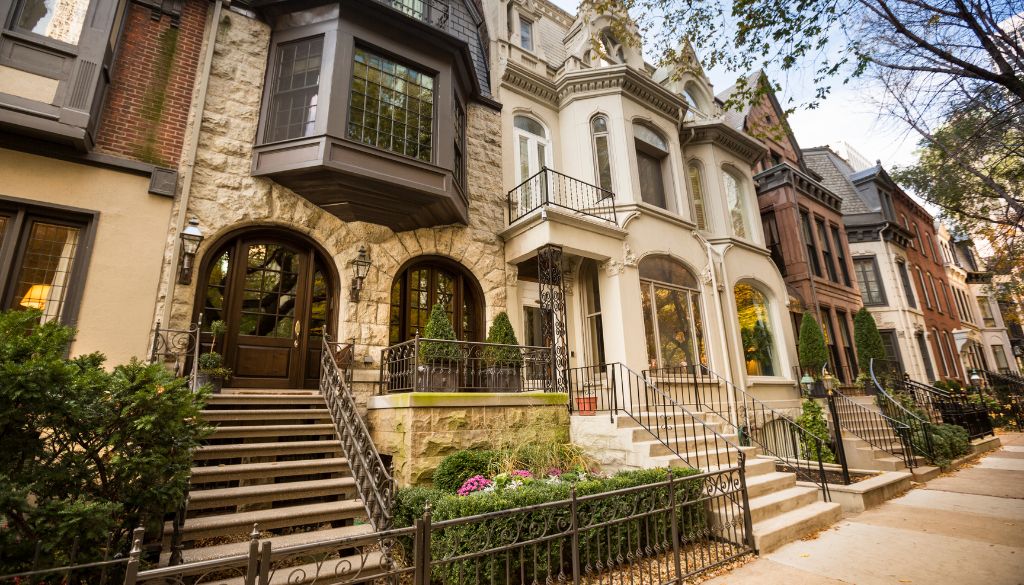
Owning a century home in Toronto or anywhere across the GTA is something special. You get the character, the old-world charm, and a sense of history you just can’t build today. But maintaining that charm while upgrading for comfort and efficiency isn’t always simple, especially when it’s time to replace windows in historic homes.
Whether they’re drafty, rotting, or just not working anymore, replacing windows in older homes isn’t a quick job. It’s not just about popping in something new, it’s about keeping the soul of your house intact while making it more livable, efficient, and secure. And that’s exactly what we do at Luma Doors & Windows.
Why Replacing Windows in Historic Homes Is a Whole Different Project
If you’ve got a home built before the 1950s, odds are your windows weren’t made to today’s standards. Many have single-pane glass, warped or cracked wood frames, failing putty, and don’t open or close properly anymore.
But the solution isn’t as simple as calling just anyone for replacement windows. With historic homes, there are details that matter:
- Original woodwork and trim
- Unique window shapes
- Classic grille patterns
- Stone or brick surrounds that can’t be disturbed
- And the big one, preserving the look and feel of the house
It’s not just about better insulation. It’s about making sure the house still looks right when you’re done.
Heritage Rules in Toronto: What You Need to Know Before Replacing Windows in Historic Homes
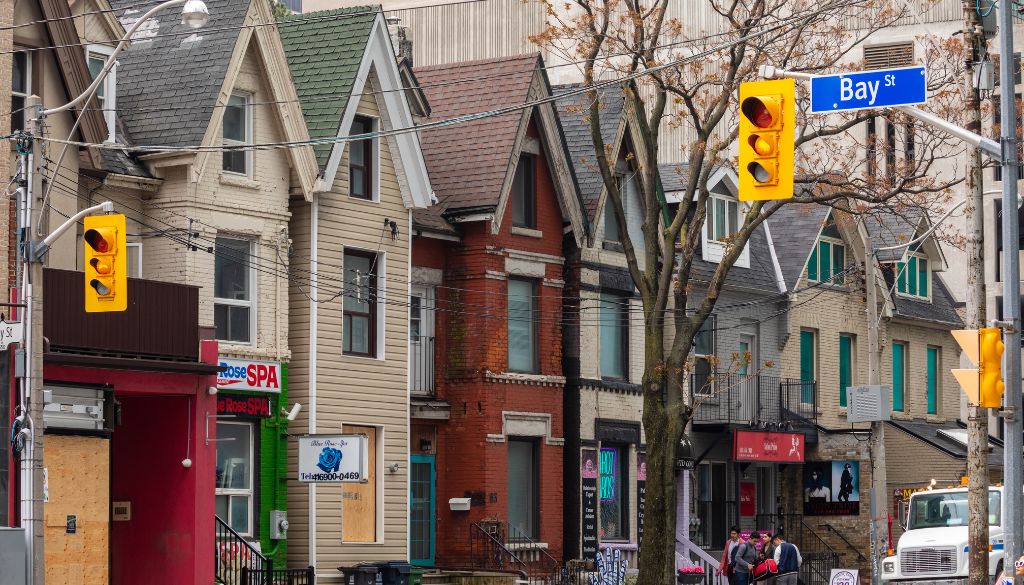
Toronto has a lot of heritage-designated properties and Heritage Conservation Districts, especially in areas like Cabbagetown, The Annex, and parts of Rosedale or Leslieville. If your home is in one of these zones, replacing your windows isn’t a free-for-all. If you’re planning to replace windows in a historic home within a designated heritage district, it’s essential to understand what the city allows and what it doesn’t.
When do you need a permit for window replacement in Historic Homes?
- If you’re changing the shape, size, or location of a window
- If the new design doesn’t match what was originally there
- If the work affects any part of the home’s protected features (which could include the windows, even if they’re not original)
When might you not need one?
- If you’re doing a like-for-like replacement (same style, same material, no structural changes)
- If your home isn’t individually designated or part of a heritage district
That said, it’s never safe to assume. Our team works closely with the City of Toronto’s Heritage Planning staff, so we can help homeowners navigate the process of permitting for heritage building reno and avoid headaches later.
Choosing the Right Window Replacement Style for Historic Homes
Every historic home tells a story, and the windows play a big part in that. Whether you’re dealing with a tall red-brick Victorian or a cozy Arts and Crafts bungalow, getting the window style right is about more than looks, it’s about keeping the house’s identity intact.
Here’s how we help homeowners choose styles that respect the past while upgrading for today:
1. Start with What’s Already There
If your home still has its original windows (even if they’re in rough shape), they’re your best reference point. We measure everything: sash proportions, trim profiles, grille patterns, and even the glass layout. If the originals are gone, we look to old photos, neighbours’ homes, or similar architecture from the same era.
Pro tip: In a row of heritage homes, consistency matters. Choosing a mismatched style can throw off the entire façade.
2. Match the Architectural Style
Here’s a quick cheat sheet for pairing window types with common Toronto home styles:
- Victorian / Edwardian: Tall double-hung sash windows with narrow muntins, sometimes arched on the top floors
- Arts & Crafts / Craftsman: Casement windows grouped in threes, with divided lites or stained glass accents
- Tudor Revival: Lead-glass casements with heavy trim and diamond-pattern grilles
- Georgian Revival: Symmetrical double-hung windows, often with 6-over-6 pane configurations
- Post-war Brick Bungalows: Larger picture windows in front, with sliders or awnings on the sides
Staying true to the style helps preserve curb appeal and, in some cases, makes it easier to get heritage approval.
3. Think About Light, Function & Ventilation
Older windows were often designed more for aesthetics than airflow. If you’re updating, now’s the time to rethink how each window works in your space. Need more ventilation? Add an operable sash. Want more natural light? Consider a taller casement or a wider bay that keeps the look but brightens the room.
4. Use Grilles & Trim to Tie It All Together
Even modern windows can look historic if the details are right. That includes:
- Authentic grille patterns (e.g., 6-over-1, diamond, or colonial grids)
- Exterior casing and interior trim that mirrors the original millwork
- Deep jambs or custom sills to match older wall thicknesses
We custom-build these details so nothing looks off-the-shelf or out of place.
What to Expect When You Replace Windows in Historic Toronto Homes
When we replace windows in historic homes, matching the original style isn’t optional; it’s part of the home’s DNA. Here’s what the process looks like when it’s done right:
1. Site Visit & Assessment
We check the condition of the existing windows, the surrounding materials, and see if repair is even an option. If we can save what’s there, we will.
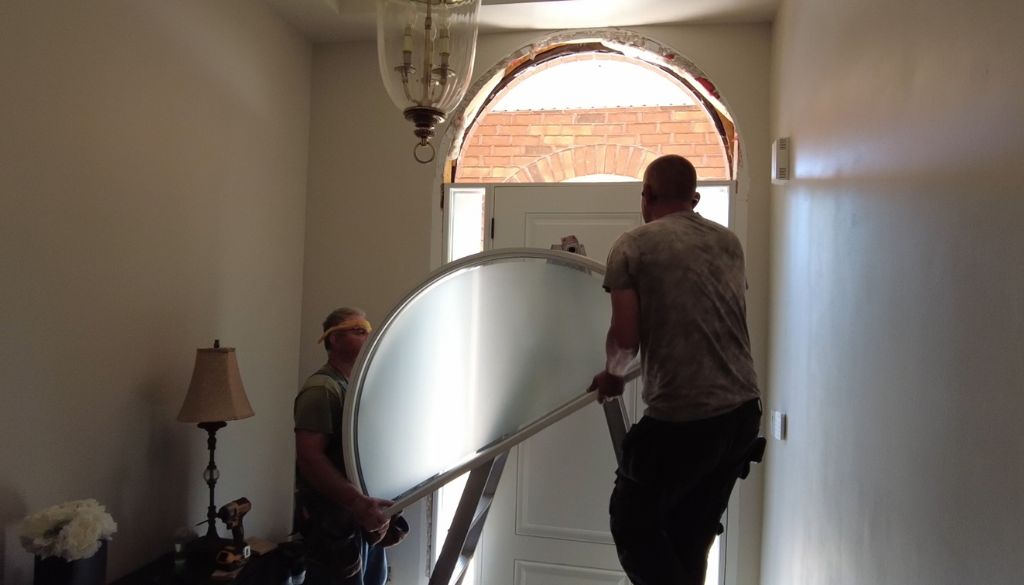
2. Gentle Removal
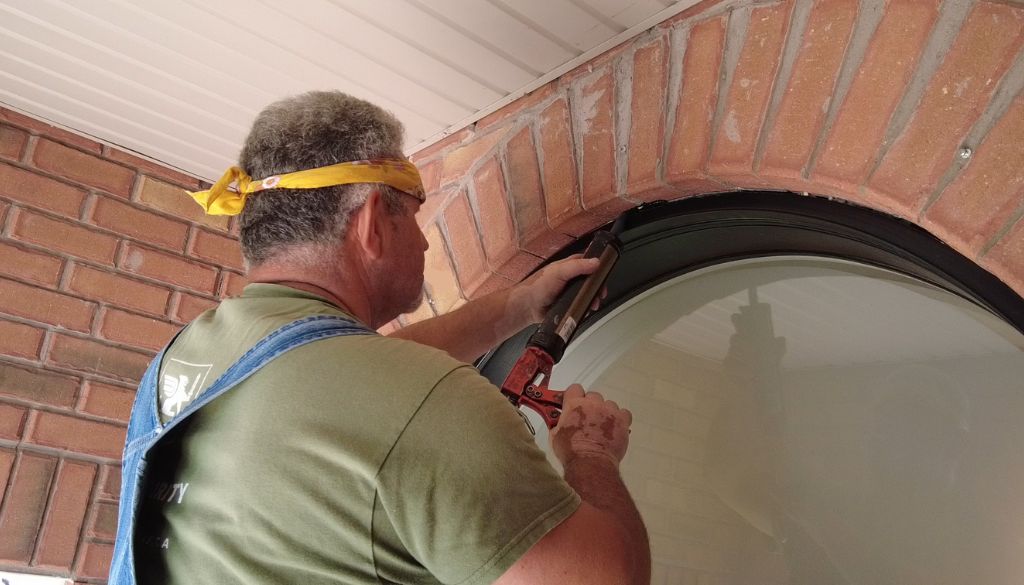
Old windows are delicate, and so is everything around them. We carefully remove them, keeping the brick, stone, or interior plaster intact. No crowbars flying here.
3. Prepping the Opening
Once the window’s out, we repair, level, and insulate the opening to modern standards, but we keep the original footprint and lines.
4. Installing the New Window
We install the new custom-built window, secure it, insulate the gaps, and seal it tight. We then restore or replace any trim needed to match what was there before.
The result? The house looks like it always did, but it’s warmer, quieter, and a lot easier to live in.
Types of Windows You’ll Find in Toronto’s Historic Homes
If you’ve ever walked through neighbourhoods like Cabbagetown, Riverdale, or The Annex, you’ve seen just how much variety there is in old Toronto architecture. From tall, narrow Victorians to early 20th-century Arts and Crafts homes, the window styles tell a big part of each home’s story.
When planning a replacement, it helps to understand what you’re working with or what you should be matching. Here are some of the most common window types we come across in century homes across the GTA:
Double-Hung Sash Windows
These are the classics: two stacked panels (or “sashes”) that slide up and down. Most Victorian and Edwardian homes in Toronto were built with these. They often have thin muntin bars (grilles) and slightly wavy old glass. When done right, new versions keep the look while upgrading energy efficiency and functionality.
Casement Windows
Swinging open like a door (usually with a crank), casement windows became more popular in the early 1900s. They’re often found in pairs or grouped in threes, especially in Arts and Crafts homes, Tudors, or early post-war bungalows, styles that often go hand-in-hand with upgrading doors for both function and curb appeal.
Bay & Bow Windows
These protruding windows were often added to the front rooms or parlours of older Toronto homes. Bay windows typically have three sections (flat-front with angled sides), while bow windows are more curved with 4+ panels. They’re beautiful but need careful replacement to maintain both the shape and sightlines.
Arched or Segmental Arch Windows
You’ll spot these rounded-top windows on many late-1800s builds in neighbourhoods like Parkdale and Leslieville. The arch is subtle but distinctive, and replacing it with square-topped windows ruins the look. We custom-build arched units to match the original radius.
Leaded or Stained Glass Transoms
These decorative windows usually sit above doors or in upper sashes. Sometimes they include coloured glass, bevels, or intricate patterns. We often preserve the original panes and install new insulated units around them, or recreate the look with modern insulated glass and internal grilles.
What You’ll Actually Gain When You Replace Windows in Historic Homes
- Better Comfort Year-Round: No more drafts or hot spots. Consistent temps from room to room.
- Energy Savings: Properly sealed windows can cut heating/cooling costs by up to 30%
- Less Outside Noise: Great if you’re near a busy street or school
- Curb Appeal: Keep your home looking timeless, not mismatched
- Higher Property Value: Buyers love when updates respect a home’s history
- Peace of Mind: New windows that actually open, close, lock, and insulate, without rot, warping, or maintenance every season
Ready to Replace Windows in Historic Toronto Homes?
If you want to replace windows in historic homes and still retain their character, it takes more than a standard renovation; it takes the right team, the right materials, and a respect for the past. Ready to replace windows in your historic Toronto home the right way? Contact us for expert advice, heritage-friendly solutions, and a window that feels like it’s always been there. At Luma Doors & Windows, we’ve helped homeowners all over Toronto and the GTA upgrade their century homes, without losing what makes them special.
We bring:
- Real experience with heritage homes and century houses
- Familiarity with Toronto’s permits and what gets flagged
- The ability to custom-build windows that match your home’s look
- A no-shortcuts approach to quality, from planning to final seal
If you’re nervous about doing it wrong, we don’t blame you. This is your home’s face to the world, and when it’s a home with history, you can’t afford to treat it like any old renovation.