 Made in Canada
 Order Status
 Doors
Doors Windows
 (905) 303-0560
The forecast for the 2026 winter season in Ontario is looking familiar, and not in a warm, fuzzy way. We are seeing predictions for deep freezes, classic heavy snowfalls, and those biting winds that seem to find every tiny gap in a home. If you are sitting near your living room window right now and you feel a distinct chill on your arm, you are likely asking yourself a very expensive question.
Is it time to upgrade?
At Luma Doors and Windows, we hear the same debate almost every single day. You know you need to replace your old, drafty windows, but you get stuck on the glass options. Specifically, the battle of Double vs. Triple Pane windows. For years, double-pane was the standard. It was the “good enough” choice. But with energy costs rising and our winters becoming more unpredictable, the conversation has shifted.
Is that third layer of glass a marketing gimmick, or is it a necessary shield for your home? This guide will strip away the sales talk and look at the hard science, the comfort factors, and the real-world performance of Double vs. Triple Pane glass in the harsh Canadian climate.
Double vs. Triple Pane Windows: What is the Actual Difference?
Before we can decide if it is worth your money, we need to look at what you are physically buying. Many homeowners assume triple pane is just “more glass,” but the engineering goes a bit deeper than that. The thickness of the overall unit and the space between the panes is actually where the magic happens.
How Does Standard Double Pane Glass Work?
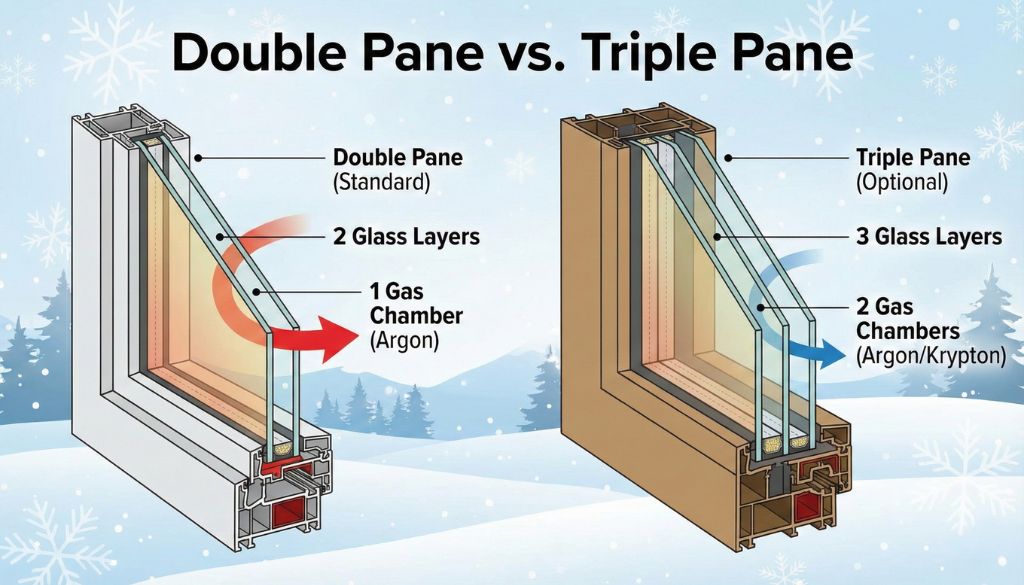
When you order a standard window, you are typically getting what we call an Insulated Glass Unit (IGU). For decades, this has been the gold standard for residential construction. It consists of two sheets of glass separated by a spacer bar.
The space between these two sheets is filled with Argon gas, which is heavier and moves more slowly than regular air. This slows down the transfer of heat. At Luma Doors and Windows, our specification for this is:
- Standard Glass: DOUBLE INSULATED GLASS
- Overall Thickness: 7/8″
This 7/8″ thickness is optimized to hold enough gas to insulate your home effectively against typical weather. It is lightweight, proven, and fits virtually any frame style.
How Does Triple Pane Glass Change the Game?
When we move to the challenger in the Double vs. Triple Pane comparison, we are adding a third sheet of glass. This creates two distinct chambers for gas instead of one. That means heat has to fight its way through two barriers of Argon (or Krypton) gas before it can escape your home.
However, simply shoving a third piece of glass into a thin frame does not work well. You need thickness to allow for proper gas volume. That is why our premium option is significantly more robust:
- Optional Glass: TRIPLE INSULATED GLASS
- Overall Thickness: 1 3/8″
That extra width (from 7/8″ up to 1 3/8″) is massive in the world of thermal dynamics. It allows for optimal spacing between the panes, ensuring the gas performs at its peak R-value.
| Feature | Double Pane (Standard) | Triple Pane (Optional) |
|---|---|---|
| Number of Panes | 2 Sheets of Glass | 3 Sheets of Glass |
| Gas Chambers | 1 Chamber | 2 Chambers |
| Overall Unit Thickness | 7/8″ | 1 3/8″ |
| Weight | Lighter, easier on older frames | Heavier, requires reinforced hardware |
Is the Comfort Factor Real in the Double vs. Triple Pane Debate?
We can talk about technical specs all day, but what you really care about is how your home feels. This brings us to a phenomenon called “Cold Radiance,” and it is the single biggest differentiator in the Double vs. Triple Pane discussion.
Why Do My Windows Feel Cold Even When Closed?
Have you ever sat on a sofa next to a large window in January and felt like the window was open, even though you knew it was locked tight? That is not a draft. That is your body heat radiating away from you toward the cold glass surface.
Heat always moves to cold. If the inner pane of your glass is cold, it will literally suck the heat right out of your skin. This is where the Double vs. Triple Pane battle is won or lost.
The “Touch Test”: Inner Glass Temperature Comparison
Let’s look at a scenario where it is -20°C outside (a typical chilly February morning in the GTA) and you are keeping your house at a cozy 21°C.
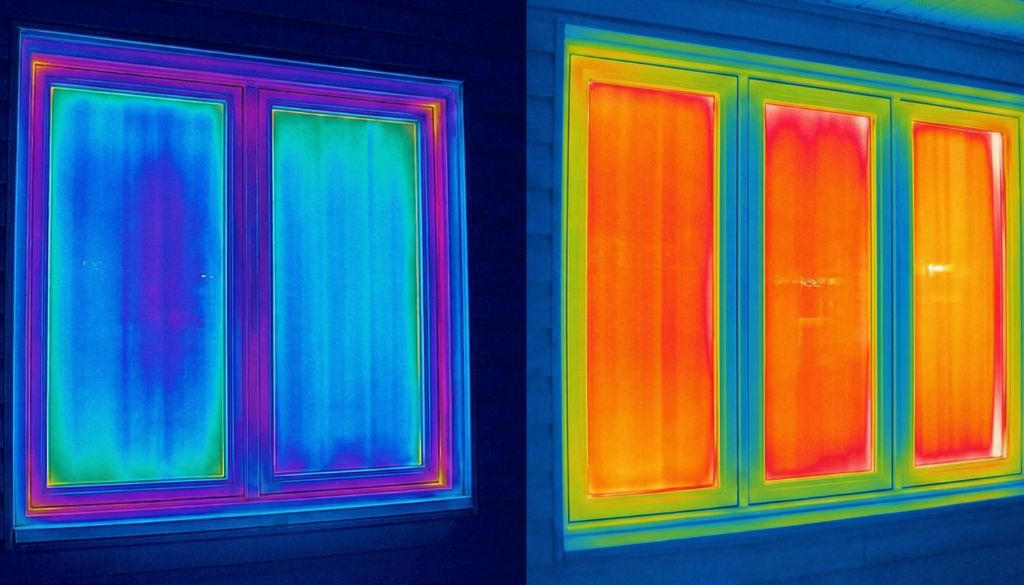
- Double Pane Performance: The inner piece of glass will likely be around 12°C or 13°C. That is significantly colder than the room air. If you touch it, it feels cold. If you sit next to it, you might need a sweater.
- Triple Pane Performance: Because of that extra gas chamber and the 1 3/8″ thickness, the inner glass stays much closer to room temperature, often hovering around 18°C.
This is particularly critical for expansive fixed windows or large picture windows. These styles have a lot of glass surface area. If you choose double pane for a massive living room window, that entire wall becomes a heat sink. With triple pane, you can place your favorite reading chair right next to the glass and feel perfectly comfortable.
Does Orientation Matter?
Absolutely. North-facing windows get almost no direct sunlight to warm them up. In the Double vs. Triple Pane analysis, we almost always recommend triple glazing for the north side of a house, as these rooms are naturally the coldest.
Condensation Battles: Double vs. Triple Pane Performance
Nothing frustrates a homeowner more than waking up to see their beautiful new windows covered in water droplets. While humidity control is vital, the quality of your glass plays a huge role in when that sweating starts.
When Will My Windows Start Sweating?
Condensation forms when warm, moist air inside your home hits a surface that is below the “dew point.” The colder the glass, the faster it sweats. This is a simple physics problem, but the Double vs. Triple Pane solution is quite dramatic.
If you keep your home at 35% relative humidity (a healthy winter level):
- Double Pane Windows: Will likely start showing a strip of condensation along the bottom edge when the outside temperature hits -15°C.
- Triple Pane Windows: The inner glass stays so warm that condensation typically won’t form until the outside temperature drops to -30°C or lower.
Preventing Ice Buildup in Ontario Winters
In extreme cold snaps, that water doesn’t just sit there; it freezes. We have seen plenty of homes where ice builds up on the inside of double pane units, damaging the wood trim or drywall. If you have struggled with “wet windows” in the past, or if you have read our guide on keeping windows condensation-free, you know that ventilation helps. But upgrading to triple pane is the structural fix that drastically lowers the risk.
Energy Efficiency and ROI: Double vs. Triple Pane Cost Analysis
Now we get to the wallet. Triple-pane windows are an investment. They generally cost 10% to 15% more than their double-pane counterparts. Is the return on investment (ROI) actually there?
Understanding R-Values in 2026
You might be familiar with “R-value” from buying insulation for your walls. It measures resistance to heat flow. The higher the number, the better.
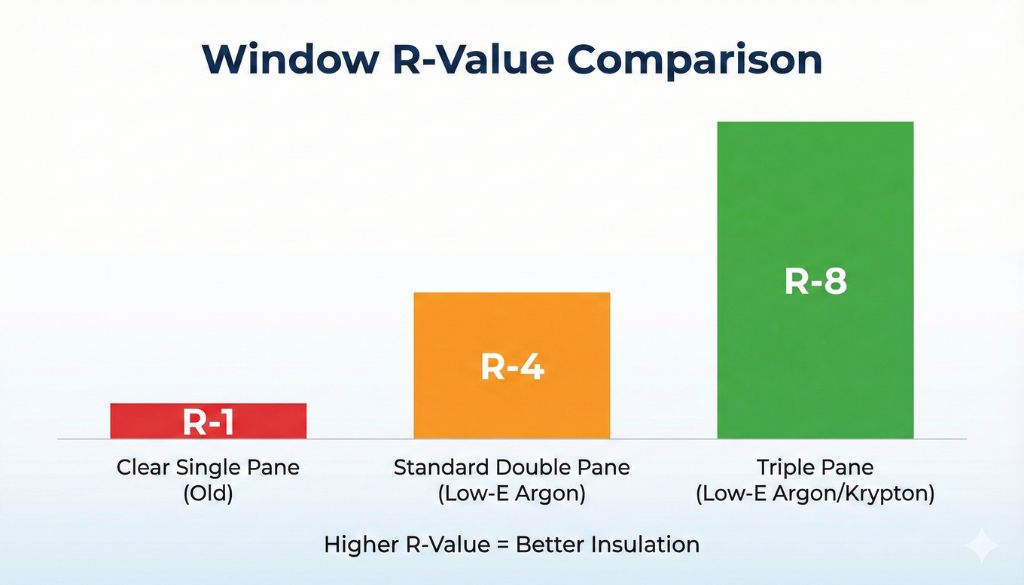
- Clear Single Pane (Old): R-1 (Basically a hole in the wall)
- Standard Double Pane (Low-E Argon): R-3.5 to R-4
- Triple Pane (Low-E Argon/Krypton): R-6 to R-8
When you look at those numbers in the context of Double vs. Triple Pane, you see that triple pane is nearly twice as efficient at stopping heat loss. This is why the Energy Star technical requirements have become so strict in recent years, pushing the industry toward better performance.
Will I Make My Money Back?
If you are looking strictly at your monthly gas bill, the payback period for the extra cost of triple pane can be 10 to 15 years. That is the honest truth. However, that calculation changes when you consider two other factors:
- Resale Value: In the 2026 housing market, educated buyers are asking for triple-pane. It is a premium feature that sets a home apart.
- HVAC Lifespan: Better windows mean your furnace doesn’t have to work as hard. This can extend the life of your heating system.
Rebates and Long-Term Value
There are also rebate programs (like the Enbridge Home Efficiency Rebate) that often reward higher efficiency tiers. Using high-performance custom casement windows with triple glazing can sometimes qualify you for money back that narrows the price gap between the two options.
Noise Reduction: Double vs. Triple Pane Capabilities
We often get asked: “Will triple-pane windows make my house soundproof?” The answer is “Yes and No.” It is important to manage expectations here so you aren’t disappointed.
Does a Third Pane Stop Traffic Noise?
In the Double vs. Triple Pane sound test, triple pane is quieter, but not massively so. The extra pane of glass helps dampen sound waves, but because the glass sheets are usually the same thickness, sound vibrations can still travel through.
The Role of Laminated Glass
If your primary goal is to block out the sound of a bus stop or a busy highway, triple pane alone might not be the magic bullet. You might want to consider Laminated Glass (similar to a car windshield). However, for general neighborhood noise, barking dogs, distant lawnmowers, the substantial 1 3/8″ build of our triple pane awning windows does provide a noticeable hush over the home compared to standard double pane.
The Final Verdict: Double vs. Triple Pane for Your Home
So, which one should you choose? At Luma Doors and Windows, we believe in fitting the product to the project. Not every house needs triple pane, but some houses will suffer without it.
Who Should Stick with Double Pane?
You don’t always need to go for the maximum upgrade. Double pane with Low-E coating and Argon gas is still a fantastic product that is lightyears ahead of your old windows.
- The Budget-Conscious Renovator: If you are on a tight budget, it is better to get high-quality double-pane windows for the whole house than to afford only a few triple pane ones.
- The “Flipper”: If you are selling the house in 2 years, you might not recoup the investment cost of triple pane.
- The Garage or Shed: For non-living spaces, the extra insulation is usually unnecessary.
Who Needs to Upgrade to Triple Pane?
In the context of Double vs. Triple Pane windows for modern Ontario living, we strongly recommend the upgrade for these homeowners:
- The “Forever Home” Owner: If you plan to live there for 10+ years, the comfort and energy savings are a no-brainer.
- Electric Heating Users: If you have baseboard heat, your electricity bills are high. Triple pane will slash those bills significantly.
- Open Concept Layouts: If you remove walls and rely on consistent airflow, cold spots near windows ruin the balance. Triple pane keeps the temperature uniform.
- Large Glass Walls: As mentioned, big windows need big insulation.
| Scenario | Our Recommendation |
|---|---|
| Replacing windows in a rental property | Double Pane |
| Master bedroom faces a busy street | Triple Pane (or Laminated) |
| Living room has floor-to-ceiling glass | Triple Pane |
| Kitchen window over the sink (high humidity) | Triple Pane |
| Basement windows (small size) | Double Pane |
Ready to Make the Choice?
The debate between Double vs. Triple Pane windows isn’t just about glass; it is about how you want to live in your home. It is about sitting by the window in December without shivering. It is about wiping less water off your sills in February. And yes, it is about lowering those heating bills for years to come.
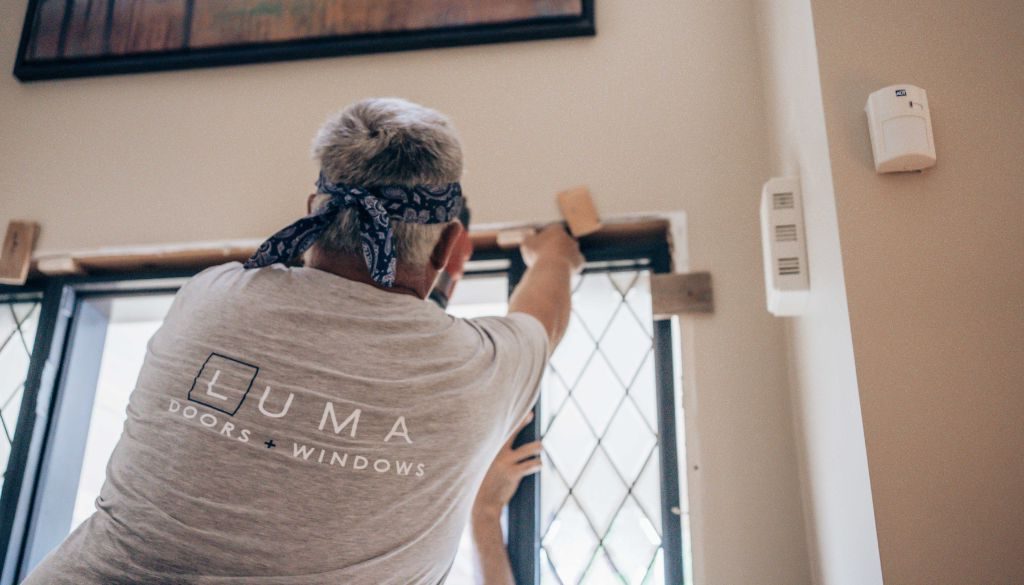
Whether you decide that the standard 7/8″ Double Pane is right for you, or you want to invest in the robust 1 3/8″ Triple Pane shield, Luma Doors and Windows is here to ensure the installation is flawless. The best glass in the world won’t help if the installation leaks, which is why our team treats every frame like it is going into our own home.
Are you ready to prepare your home for the winter of 2026? Contact us today for a free consultation. We can bring samples of both glass types to your door so you can see and feel the difference for yourself.