 Made in Canada
 Order Status
 Doors
Doors Windows
 (905) 303-0560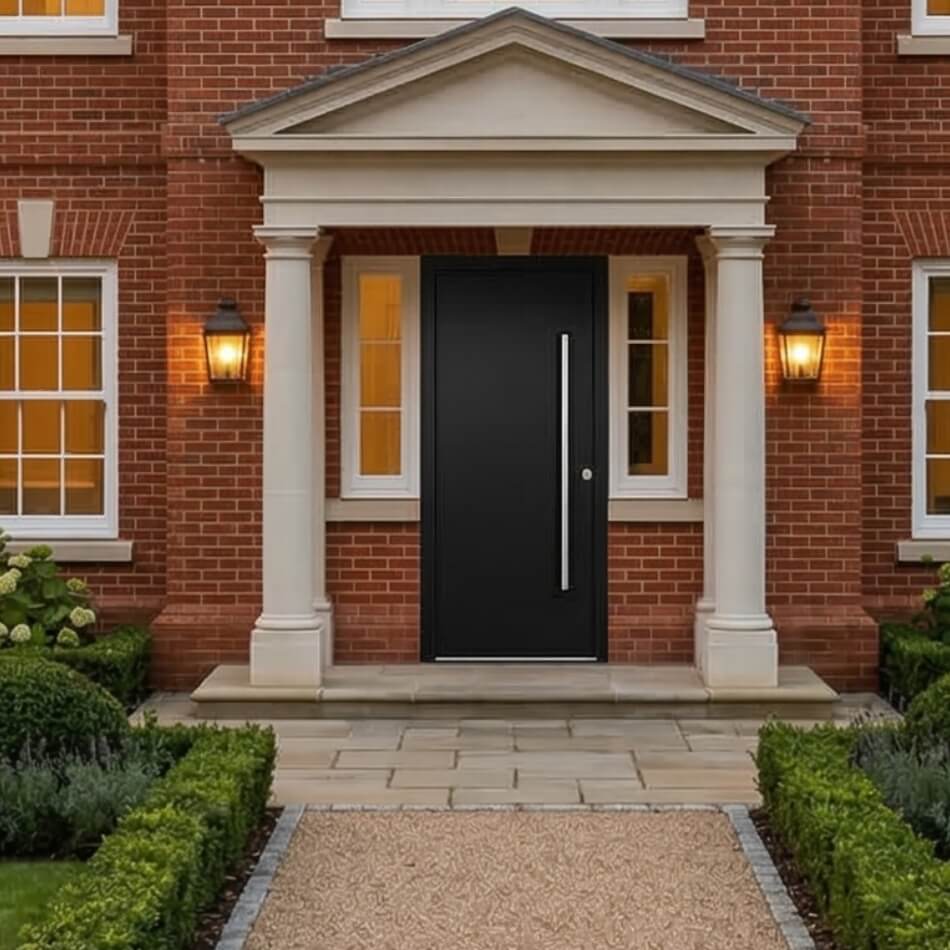
You can successfully install modern doors on traditional homes by focusing on transitional elements like clean lines, high-quality materials (fiberglass or steel), and a balanced color palette. To avoid a visual clash, look for doors with simplified geometric glass patterns and hardware that mirrors the existing metal finishes of your home. Choosing a modern door with traditional proportions ensures your home looks updated rather than mismatched.
Can I put a modern door on a traditional house?
The short answer is yes. Many homeowners feel trapped by the original architecture of their house, believing they must stick to 100 percent traditional designs.
Mixing styles is actually a hallmark of high end architectural design. It creates a “transitional” look that feels both timeless and current.
The key is to find common ground between the two styles. A modern door often brings much needed simplicity to a home with complex siding or ornate brickwork.
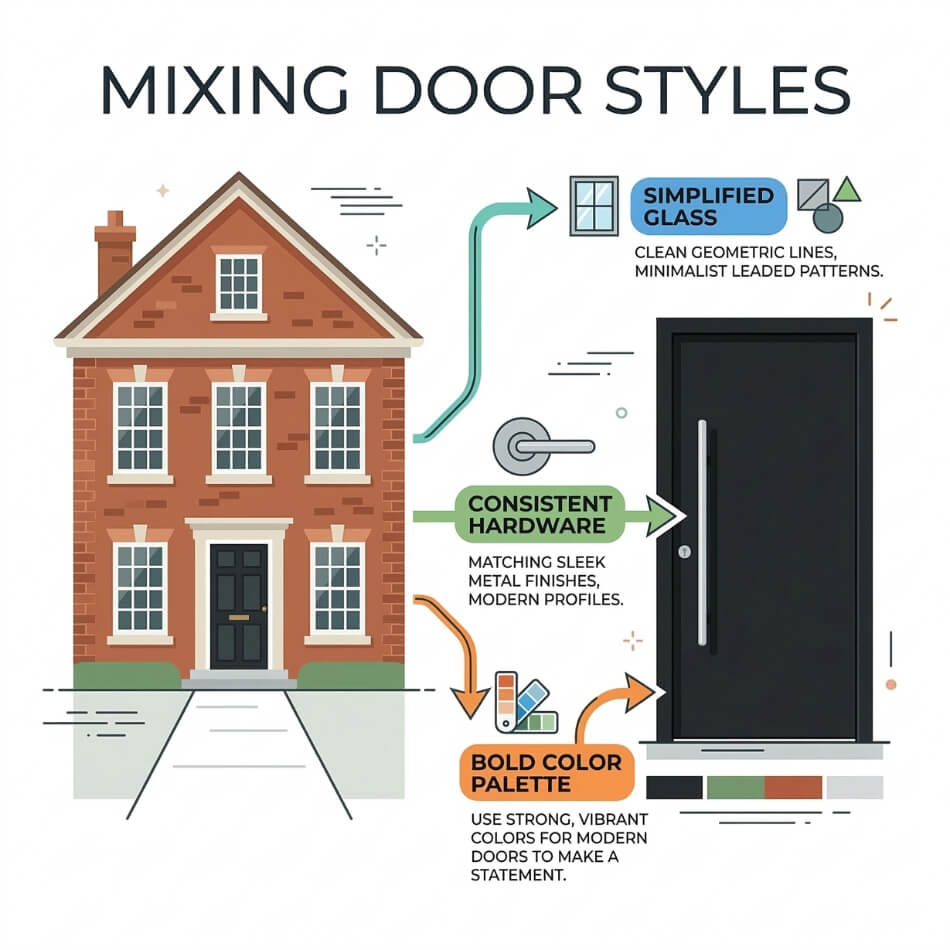
What are the best door styles for a transitional look?
When you want to bridge the gap between modern and traditional, certain styles work better than others. You should look for “clean” versions of classic designs.
- The Modern Craftsman: Uses square lines and flat panels instead of rounded moldings.
- The Minimalist Lite: A solid door with a single, long vertical glass insert on the side.
- The Shaker Style: A timeless recessed panel design that fits almost any era of home.
- Industrial Steel: Provides a sharp contrast that can make a traditional home look like a modern farmhouse.
If you are unsure which material fits best, you can read our guide on choosing between steel or fiberglass entry doors to see which provides the right texture for your home.
How do I choose the right color for a modern door on a classic home?
Color is the most powerful tool for blending two different architectural eras. A modern door in a traditional color (like forest green or deep burgundy) feels more grounded.
Conversely, a very modern color (like matte black or charcoal grey) on a traditional house creates a sophisticated, “renovated” appearance. You should consider the following color pairings:
| Traditional Home Style | Recommended Modern Door Color | Visual Impact |
|---|---|---|
| Red Brick Colonial | Matte Black or Navy Blue | High contrast, crisp, and prestigious. |
| White Clapboard / Siding | Soft Sage or Slate Grey | Subtle, modern, and very welcoming. |
| Stone / Stucco Exterior | Natural Wood Grain (Fiberglass) | Warm, organic, and mid century modern vibe. |
Does the glass design matter when mixing styles?
Glass is often where “the clash” happens. Traditional homes often feature stained glass or ornate wrought iron scrollwork.
Modern doors prioritize privacy and light through different means. To make a modern door work, avoid “busy” glass patterns.
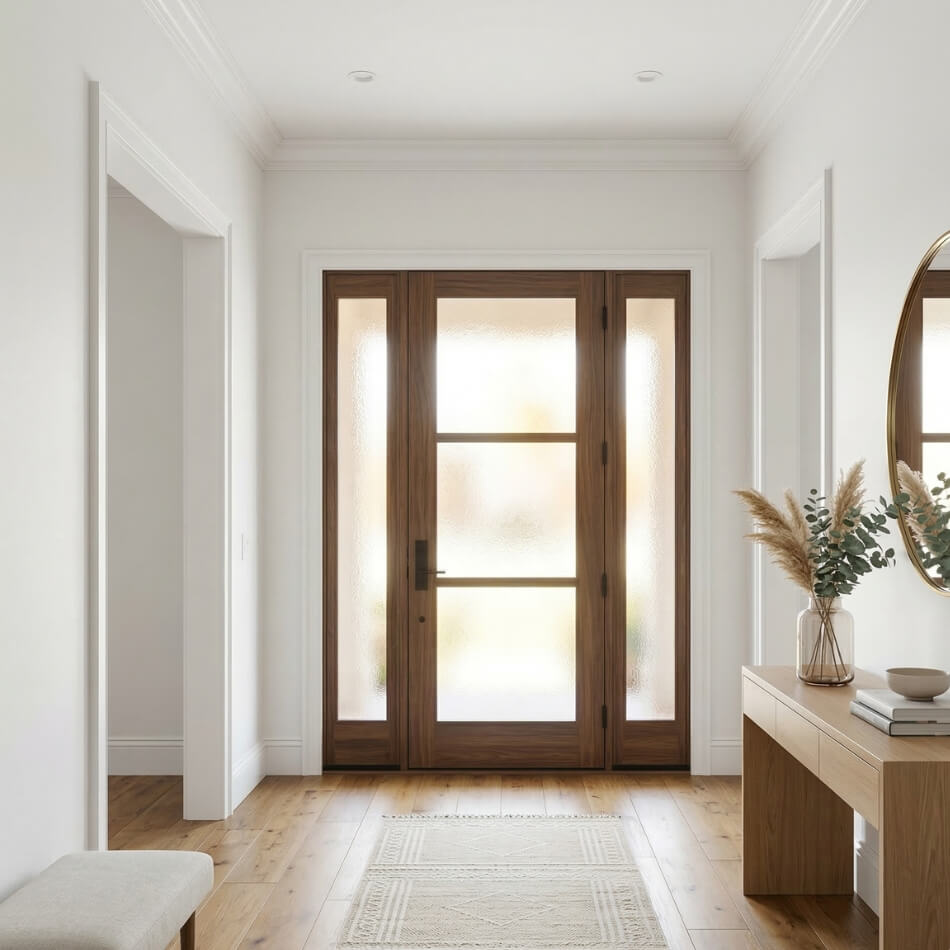
Sandblasted glass or satin etched glass provides a smooth, opaque look that complements traditional textures without competing for attention. If you want to see what is trending, check out these front door glass designs for some contemporary inspiration.
What hardware should I use to blend modern and traditional?
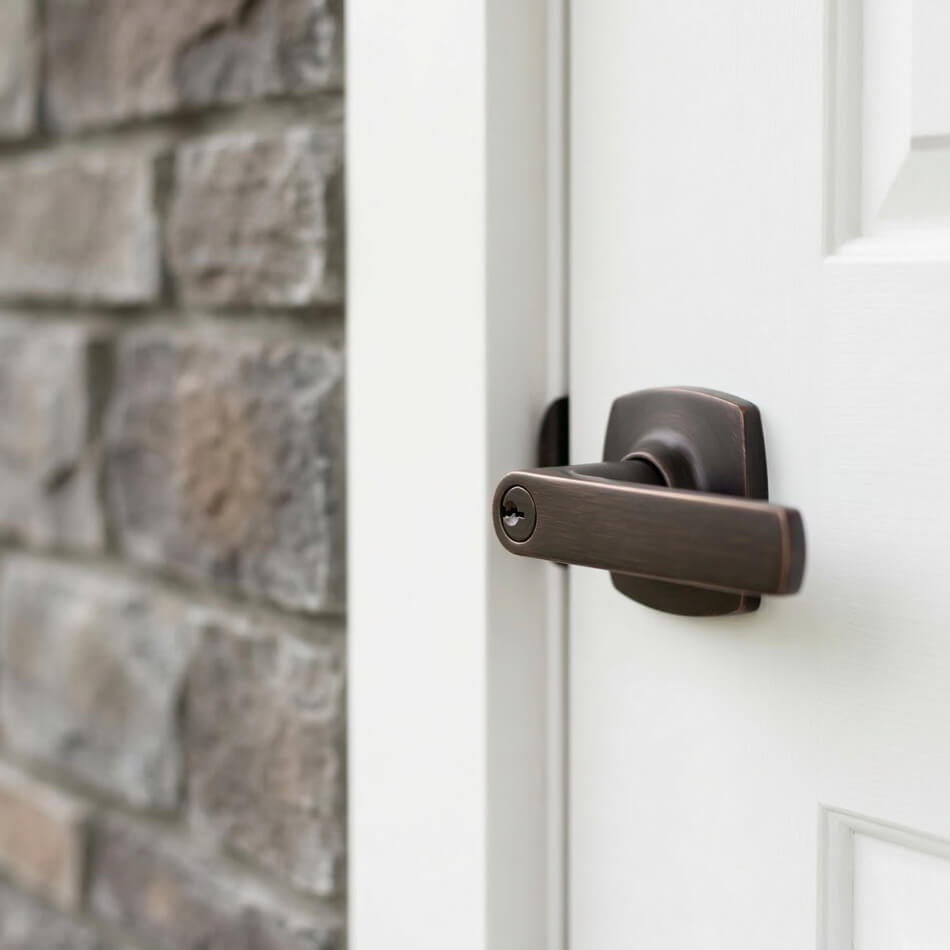
Hardware acts as the jewelry of your door. It is the finishing touch that can either unify the styles or pull them apart.
If your home has traditional brass light fixtures, do not feel forced to use a modern chrome handle. You can use a modern, sleek “pull bar” handle in a Living Finish Bronze or Aged Brass.
This creates a “style bridge” where the shape is modern but the material is traditional. According to architectural style theory, maintaining material consistency helps different eras of design coexist harmoniously within a single structure.
What are the top benefits of modern doors for older homes?
Beyond just looks, upgrading to a modern door offers significant functional advantages for older properties. Older homes are notorious for being drafty, especially around the entryway.
- Superior Insulation: Modern fiberglass and steel doors have much higher R-values than old wood doors.
- Lower Maintenance: You will not have to sand or repaint every two years to prevent rot.
- Enhanced Security: Modern doors are compatible with multi-point locking systems and smart home technology.
- Increased Natural Light: Modern designs often allow for larger glass panes without sacrificing structural integrity.
How do I maintain the balance of my curb appeal?
Curb appeal is about the “whole picture” of your house. If you install a very modern door, you may need to update 1 or 2 other small elements to make it feel intentional.
Consider changing your house numbers to a modern font (like Neutraface or Helvetica). You could also swap out a traditional “coach” light for a clean, cylindrical sconce.
These small “modern echoes” tell the viewer that the new door was a deliberate design choice rather than a random replacement. You are creating a story of a home that has evolved over time.
Final Verdict: Making the Switch with Confidence
You do not have to live in a glass box to enjoy the beauty of modern design. Modern doors for traditional homes are a fantastic way to signal that a home is well loved and updated.
By focusing on clean lines, intentional color choices, and simplified glass, you can create a stunning entryway that honors the past while embracing the future. If you are ready to see how a new entry can transform your home, we invite you to browse our latest collections.
Ready to find your perfect match? Contact Luma Door today for a professional consultation on mixing styles for your next home improvement project.