 Made in Canada
 Order Status
 Doors
Doors Windows
 (905) 303-0560
In plain terms, a door slab is the door itself: the flat panel that swings on the hinges, minus the frame, the jambs, and the hardware. When someone asks what is a door slab, they are usually trying to figure out whether they can swap just the panel or whether the whole unit has to go. The short answer is that a slab replacement works beautifully when your frame is square and solid, and it stops making sense the moment the opening, the threshold, or the weather seal has given out. If you would rather hand the whole job to a crew, our team handles professional front door installation across the GTA.
This guide explains exactly what a slab is, how it differs from a pre-hung door, the warning signs that mean it is time to replace one, and what a new door realistically costs. Read it before you measure anything, because choosing the wrong approach is the most expensive door mistake homeowners make.
In this article
What Is a Door Slab, Exactly?
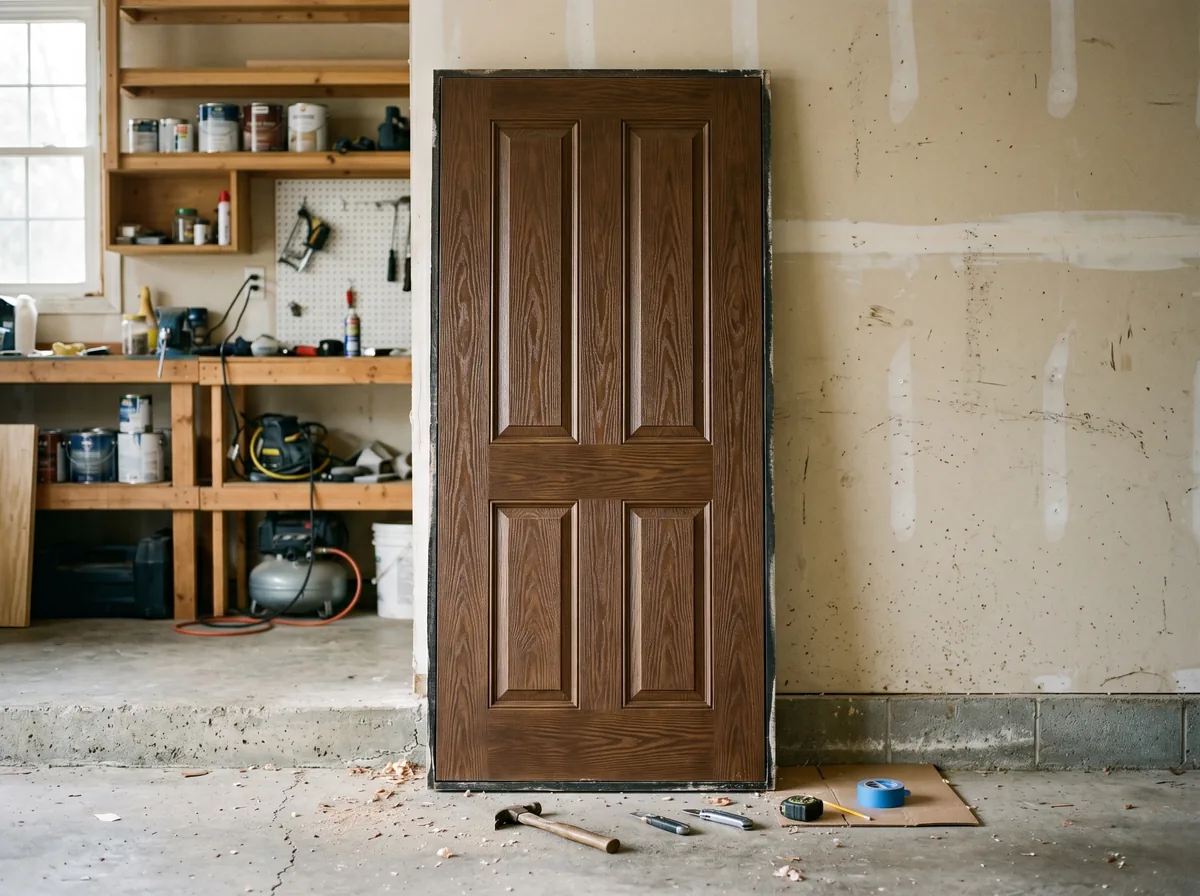
A slab is the door with nothing attached. No hinges mounted, no handle bored, no frame around it. It is the raw panel, sized to a standard opening, that you then hang inside an existing frame and fit with hardware. Most exterior slabs come in common heights and widths, with a standard residential entry door measuring about 80 inches tall and 36 inches wide, though older homes often surprise you with odd sizes.
Buying a slab on its own is the budget-friendly route, because you reuse the frame and trim that are already in place. The trade-off is that everything depends on that existing frame being in good shape. A new panel in a rotten or racked frame will never seal properly, no matter how nice the door is.
Did You Know? A Slab and a Blank Are Not the Same
A “slab” usually arrives pre-finished or ready to finish, with the panel design already in place. A “blank” is a completely featureless door with no machining at all, often used by carpenters who plan to cut and bore everything from scratch. For most homeowners replacing an entry door, a slab is the practical choice because the hard shaping is already done.
Door Slab vs. Pre-Hung Door
The big decision is almost never about the panel design. It is whether you buy just the slab or a full pre-hung unit. A pre-hung door arrives already mounted in a brand-new frame, with hinges attached and the latch and deadbolt holes bored. You set the whole assembly into the rough opening as one piece.
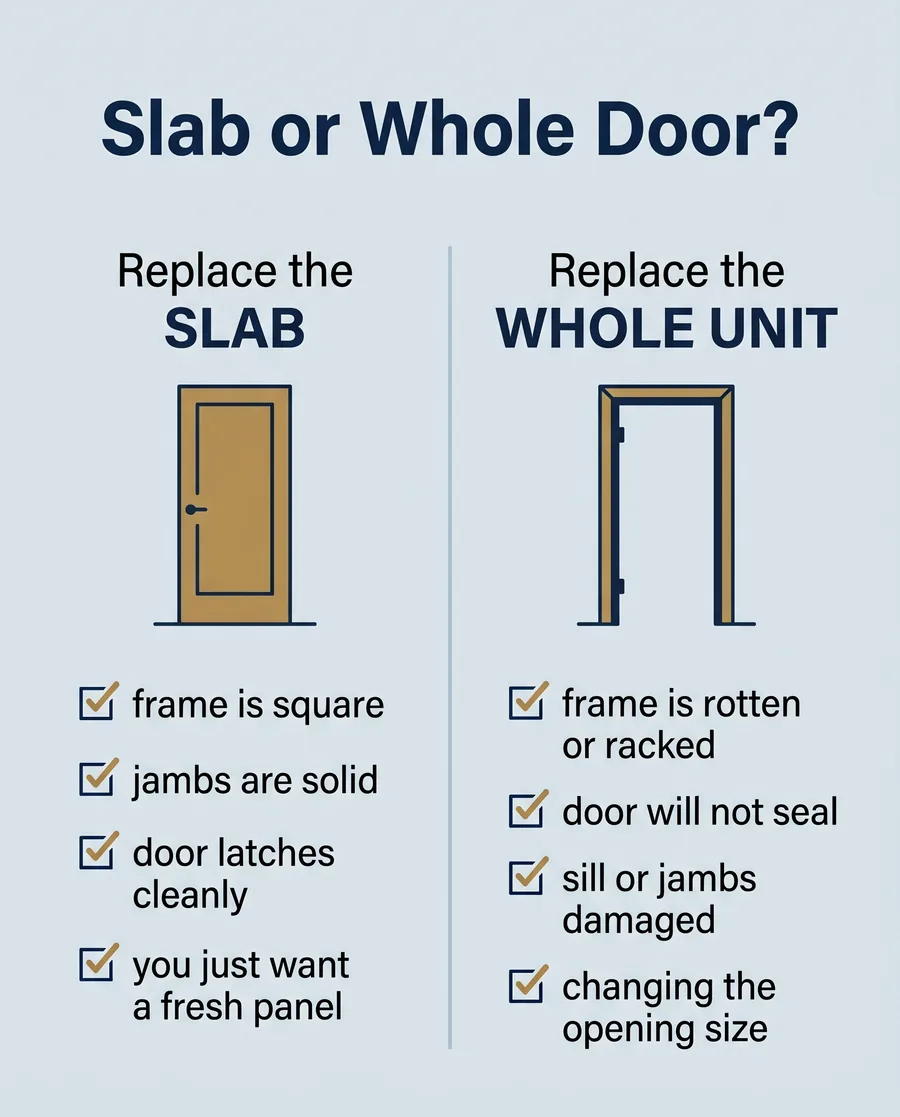
- Choose a slab when the existing frame is square, solid, and weather-tight, and you simply want a fresh panel. It costs less and the job is faster, but it demands precise measuring and trimming.
- Choose a pre-hung unit when the frame is damaged, out of square, rotten at the sill, or you are changing the size of the opening. It costs more and is heavier to handle, but it gives you a clean, sealed, properly aligned door.
If you are weighing one panel material against another while you decide, our breakdown of how steel, fiberglass, and wood entry doors compare is the place to start. The frame question and the material question are separate, and both matter.
People Often Ask: Can I Replace Just the Door and Keep the Frame?
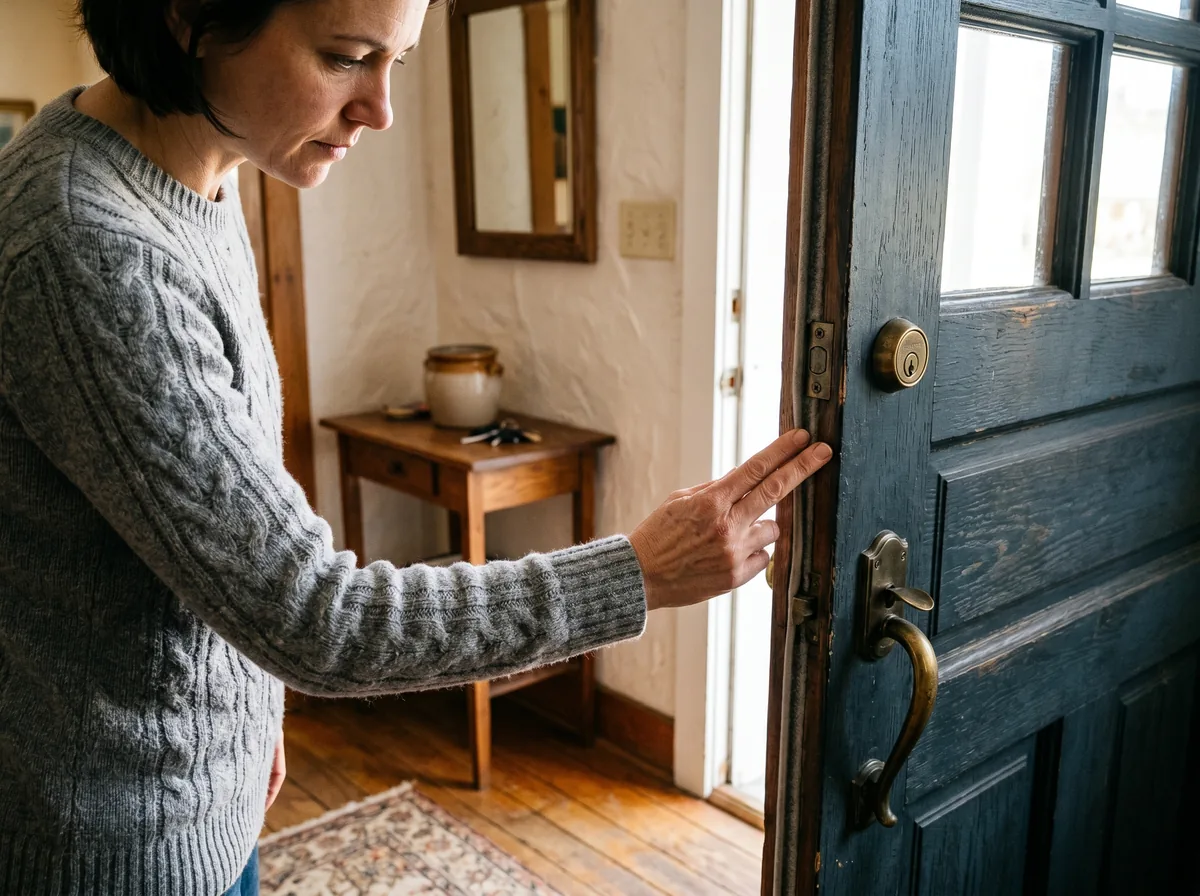
Yes, as long as the frame is in genuinely good condition. Open the door and check the jambs for soft, spongy wood, look at the sill for rot or rust, and watch how the door sits when closed. If it latches cleanly, the frame is square, and there is no daylight or draft around the edges, a slab swap is a smart, lower-cost upgrade. If any of those checks fail, replacing only the panel just hides a bigger problem that will keep costing you in heating bills and security.
Signs It Is Time to Replace Your Door
Please note: The tips here are for general guidance only. Luma Doors is not responsible for any damage, injury, or cost resulting from action taken based on this content. Door slabs are heavy and exterior openings handle weather sealing and security; if a step calls for lifting a heavy slab, altering a rough opening, or anything you are not fully comfortable with, stop and call a qualified door installer.
A door rarely fails overnight. It tells you long before it gives up. After years of hanging and fitting doors, here are the symptoms I treat as real warnings rather than minor annoyances.
- You feel a draft with the door shut. Air leaking around a closed door points to a failed seal, a warped slab, or a frame that has shifted. Sometimes new weatherstripping fixes it, and sometimes the panel itself is done.
- The door sticks, drags, or will not latch. Swelling, sagging hinges, or a frame that has moved all show up as a door that fights you. A little seasonal movement is normal; a door that never sits right is not.
- You can see daylight or feel cold at the edges. Light around the perimeter means your seal is gone and conditioned air is escaping.
- The surface is cracking, peeling, dented, or rotting. Visible damage on an exterior door is both a curb-appeal and a security issue, and on steel doors it can turn into rust.
- Your energy bills crept up. An old, leaky entry door is a quiet drain on heating and cooling all year.
Drafts in particular deserve a closer look before you spend on a whole new door. Our guide to the most common door draft problems and how to fix them walks through the cheap fixes worth trying first.
Pro Tip: Run the Dollar-Bill Test
Close the door on a dollar bill and try to pull it out. If it slides free with almost no resistance, your weather seal is not doing its job. Repeat the test at the top, the sides, and the bottom of the door. If the bill drags everywhere, fresh weatherstripping may save the door. If the panel is also warped or damaged, the test confirms it is time to replace.
When a Slab Swap Works and When It Does Not
Here is the rule I give homeowners. Replace the slab when the problem is the door, and replace the whole unit when the problem is the opening. A scratched, dated, or dinged panel sitting in a healthy frame is a textbook slab job. A door that will not seal because the frame has rotted, racked, or settled is not.
There is also the matter of fit. A slab has to be trimmed and bored to match your existing frame and hinge positions exactly, and exterior doors leave very little room for error before they leak. If your opening is an unusual size, which is common in older homes, a slab can mean a lot of careful shaping. In those cases a pre-hung unit often ends up easier and more reliable. For a wider view of the full buying decision, our quick entry door buying guide lays out the options side by side.
Slab Materials and How Long They Last
The slab material decides how the door looks, how it insulates, how secure it is, and how long it lasts through Ontario winters and humid summers. The three you will actually choose between are steel, fiberglass, and wood.
- Fiberglass. The most popular exterior slab today. It resists dents, will not rot or rust, shrugs off temperature swings, and can be made to look convincingly like real wood. A quality fiberglass door often lasts decades with little upkeep. See the anatomy of a fiberglass door for what is going on inside the panel.
- Steel. Strong, secure, and budget-friendly. The catch is that scratches can rust if they are not touched up, and deep dents are hard to repair.
- Wood. Beautiful and classic, with a warmth nothing else quite matches. It needs the most maintenance, because moisture and sun will warp or crack it if it is neglected.
If durability is your top priority, our look at the top door materials for security and longevity compares how each one holds up over the long run, and our quick list of things people get wrong about fiberglass doors clears up the common myths.
What a New Door Costs in 2026
Pricing note: The figures on this page start at approximate market rates in Toronto and the GTA as of 2026. What you actually pay depends on the door material, size, glass and hardware, and how much prep the opening needs. Always get a written quote or an in-home measure before you commit.
Door pricing depends heavily on material, size, glass, hardware, and whether you are doing a slab or a full pre-hung install. The ranges below start at approximate market figures to help you sanity-check a quote, not firm prices.
| Replacement type | Starts at approx. (2026) | Best for |
|---|---|---|
| Steel entry slab (panel only) | $300 | Tight budgets, sound existing frame |
| Fiberglass entry slab (panel only) | $500 | Low-maintenance upgrade, good frame |
| Solid wood slab (panel only) | $700 | Character and a premium look |
| Pre-hung fiberglass unit (slab + frame) | $900 | Damaged or out-of-square openings |
| Installed door with glass and hardware | $1,800 | A full, sealed, finished replacement |
Remember that a slab on its own looks cheaper than a pre-hung unit, but the labour to trim, bore, and hang it precisely can close that gap fast. The cost that matters is the installed, sealed door, not the sticker on the panel.
Sources and further reading
- Luma Doors, in-house installation experience and 2026 market pricing observations.
- Natural Resources Canada, ENERGY STAR guidance on doors and air sealing for Canadian homes.
- This Old House, “How to Install a Solid-Wood Exterior Door” (video, embedded above).
Frequently asked questions
What is a door slab?
A door slab is the door panel by itself, without the frame, hinges, or hardware. It is the part that swings open and closed once it is hung. Buying a slab lets you reuse your existing frame and trim, which makes it the cheaper way to refresh a door, as long as that frame is square and in good condition. If the frame is damaged or out of square, you usually want a pre-hung unit instead, which includes a brand-new frame with the slab already mounted and bored for hardware.
Can I replace a door slab myself?
A confident DIYer can replace an interior slab, since the stakes are lower if the fit is not perfect. Exterior slabs are far less forgiving. The panel has to be trimmed and bored to match the existing frame and hinge positions exactly, and even a small gap lets in drafts, water, and cold. The door is also heavy and awkward to hold while you mark and cut. If you are not comfortable with precise measuring and weather sealing, an exterior door is one job worth handing to a professional installer.
How do I know if I need a new slab or a whole new door?
Look at the frame, not just the panel. If the door is dated, scratched, or dented but the frame is square, solid, and seals well, a slab swap is the smart, lower-cost fix. If the door sticks, will not latch, leaks air with the frame, or the sill and jambs show rot or rust, the opening itself is the problem and you need a full pre-hung unit. As a rule, replace the slab when the door is the issue and replace the unit when the frame is the issue.
How long should an exterior door last?
It depends on the material and the care. A quality fiberglass exterior door can last several decades with very little maintenance, since it does not rot, rust, or warp. Steel doors last a long time too, but need scratches touched up so they do not rust. Wood doors can be beautiful for decades if they are kept sealed and protected from moisture and sun, but they fail faster when neglected. Regardless of material, the weather seal usually wears out first, so refresh it before assuming the whole door is finished.
What to Do Next
A door slab is just the panel, and replacing only the panel is a great move when the frame behind it is healthy. The whole decision comes down to one honest look at your opening.
- Check the frame first: square, solid jambs, a clean sill, and a door that latches without a fight.
- Run the dollar-bill test for seal failure before you assume the panel is done.
- Match the material to your priorities, then price the installed door, not just the slab.
Download the free quick guide
Take our printable slab-or-pre-hung checklist with you so you know exactly what to inspect before you buy.
Not Sure Whether to Swap the Slab or the Whole Door?
We have hung and fitted thousands of doors on older and newer homes alike. Tell us what your opening looks like and we will tell you the honest answer. Browse our fiberglass door information, compare your options in the entry door buying guide, and book an in-home measure when you are ready. Every door we install is sealed and finished to last.