 Made in Canada
 Order Status
 Doors
Doors Windows
 (905) 303-0560
When the harsh Ontario winter hits, a drafty front entryway is the fastest way to lose heat and drive up your energy bills. While the term “energy efficiency” is thrown around a lot, what does it actually mean when it comes to the physical barrier of your home?
Before you dive into the complex world of glass coatings and thermal metrics, it is crucial to understand how the physical materials of your door—specifically weatherstripping, steel, and storm doors—work together to stop cold air in its tracks.
The First Line of Defense: Weatherstripping
The most energy-efficient door in the world is useless if air can freely flow around its edges. A high-quality weatherstripping seal is essential for preventing heat from transferring around the door’s perimeter. If you can feel a breeze or see daylight around the edges of your closed door, your weatherstripping has failed and needs immediate replacement.
Choosing the Right Insulated Material: Steel Doors
Wood is beautiful, but it naturally absorbs moisture and is prone to warping, which can break the weather-tight seal of your frame over time. For maximum energy retention, we highly recommend steel doors.
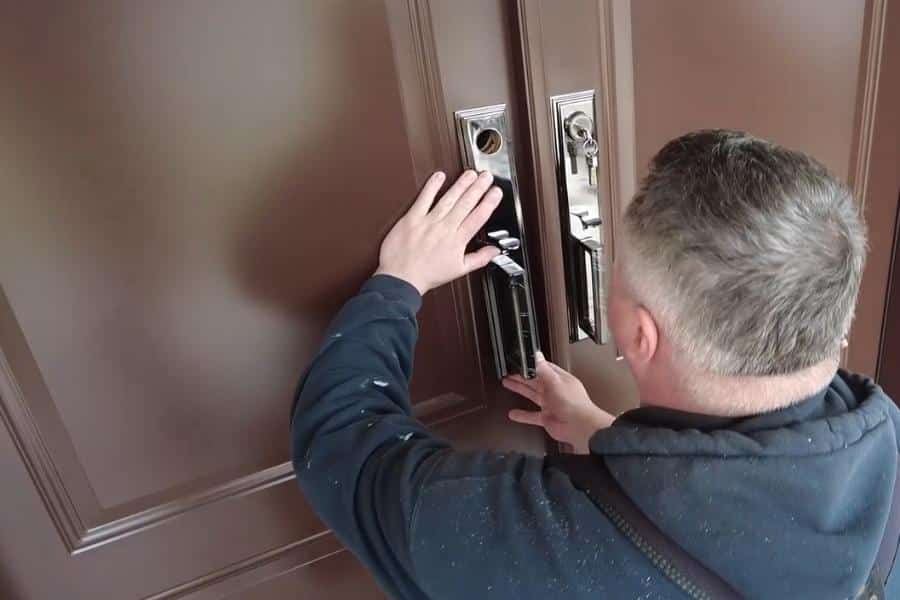
Modern steel entry doors are not hollow. They feature a high-density polyurethane foam core that provides extraordinary thermal resistance. This means they trap your expensive heating inside during the winter and block the sweltering heat during the summer. Studies and manufacturer tests have shown that upgrading an old wooden door to a modern insulated steel door can noticeably reduce your monthly HVAC costs.
Creating an Air Buffer: Storm Doors
If your home is highly exposed to harsh prevailing winds or driving rain, upgrading your primary door might not be enough. This is where storm doors come into play.
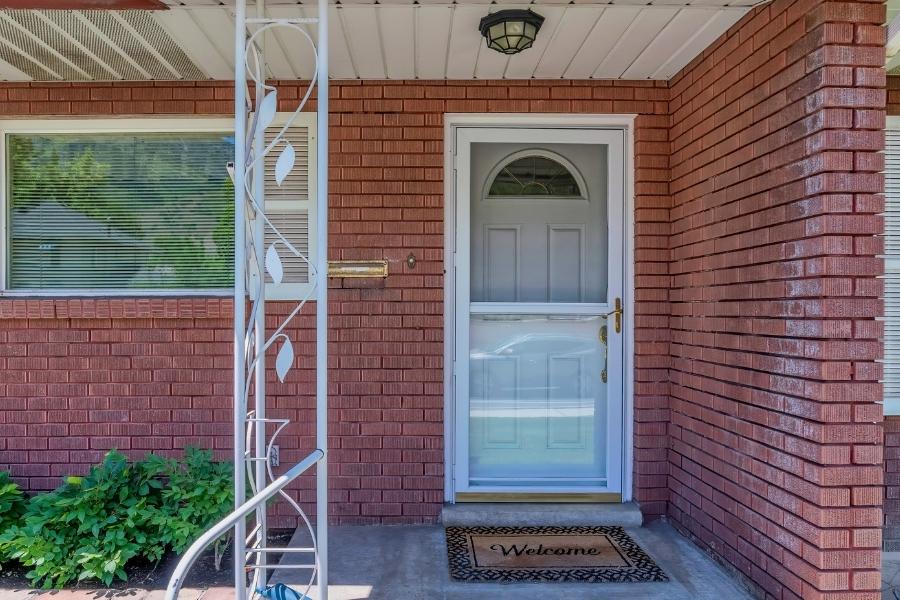
Installed on the exterior frame, a weatherproof storm door creates a trapped pocket of air between itself and your main entry door. This “buffer zone” acts as a secondary layer of insulation, significantly reducing the impact of extreme weather on your primary door’s seals.
Want to Understand the Technical Ratings?
Choosing the right material is only half the battle. If you are shopping for a new door and want to understand how they are officially tested for energy efficiency, check out our comprehensive guide: Energy Star Rating For Front Doors Explained. It breaks down everything you need to know about U-Factors, Low-E glass coatings, and Solar Heat Gain.
If you are tired of a drafty entryway and want to explore affordable, energy-efficient options, we are here to help. Get a free quote today or call (905) 303-0560 to speak with one of our highly experienced Luma Doors installers.

Written by